Grease Trap Cleaning in Pigeon Forge & Sevierville, TN
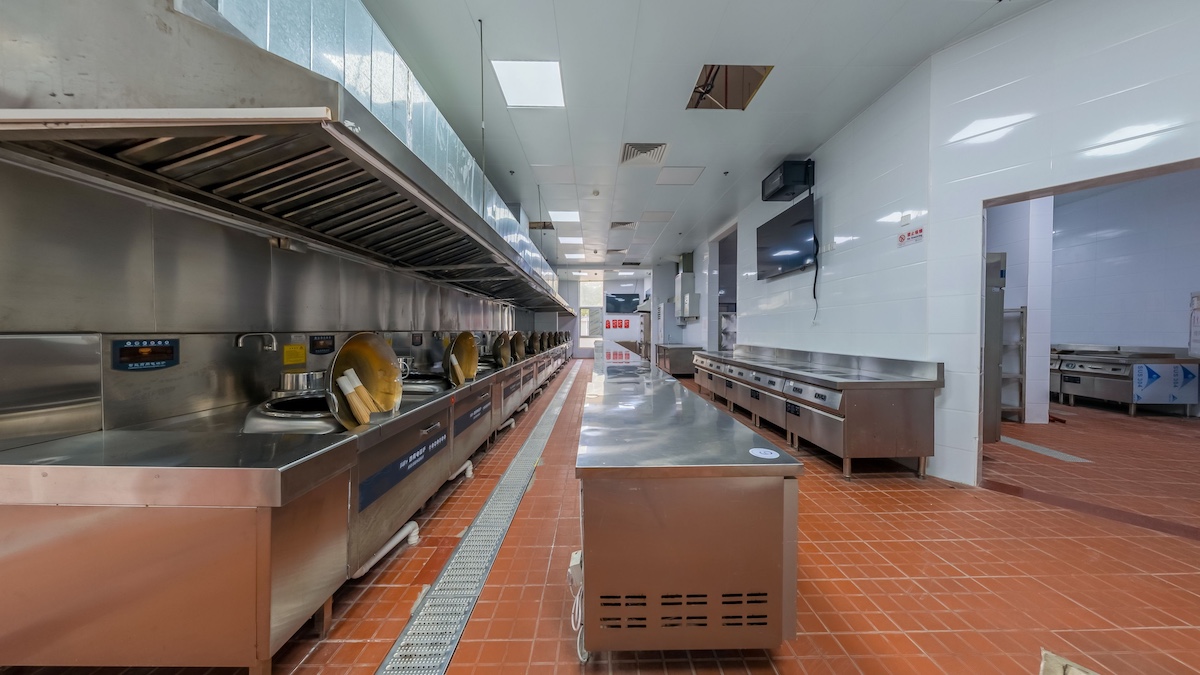
The Parkway runs on grease traps
Grease trap cleaning in Pigeon Forge and Sevierville isn't glamorous, but it's what stands between a busy kitchen and a shutdown. Few counties in Tennessee pack more restaurants per mile than the Parkway corridor — pancake houses, barbecue joints, and the kitchens feeding millions of Smoky Mountain visitors a year. Every one of them relies on a grease interceptor to keep fats, oils and grease out of the drain lines and the sewer or septic system behind them. When the trap fills past its working capacity, grease goes downstream: backed-up floor drains during a dinner rush, odors in the dining room, and expensive line jetting.
What the service includes
- Complete pump-out of the trap or interceptor — liquids, grease mat and settled solids, not a skim
- Scraping of walls and baffles so the trap starts at true capacity
- Check of inlet/outlet tees and trap condition
- Service documentation for your records — useful when the health inspector or your landlord asks
How often should a restaurant clean its grease trap?
The widely used industry standard is the "quarter rule": clean when grease and solids occupy about 25% of the trap's volume. What that means in calendar terms depends entirely on the kitchen — a high-volume fryer-heavy restaurant on the Parkway might hit a quarter full in a month, while a small café in Sevierville might take a season. Recurring scheduled service, sized to your actual volume, is how most managers here handle it: nothing to remember, documentation on file, no surprises on a Saturday night.
Frequently asked questions
How often do restaurants in Sevier County need grease trap cleaning?
Follow the quarter rule: clean when the trap is about 25% full of grease and solids. For busy Pigeon Forge and Gatlinburg kitchens that's often monthly to quarterly; lower-volume kitchens can go longer. A recurring schedule matched to your volume is the practical answer.
What happens if a grease trap isn't cleaned?
Grease escapes into the drain lines and whatever is behind them — causing slow drains, backups during service, odors, costly line jetting, and potential problems with health or sewer authorities.
Do you provide service records?
Yes — each cleaning is documented so you have a paper trail for inspections, landlords and franchise requirements.
Can grease trap service happen outside business hours?
Scheduling around service hours is standard for restaurant clients — early morning before prep is the most popular slot on the Parkway.
Related services and areas
Commercial kitchens on septic should pair trap service with routine septic tank pumping — grease is the number-one killer of commercial septic systems. Emergency backup mid-service? Emergency response covers commercial calls too. Serving kitchens in Pigeon Forge, Gatlinburg and all of Sevier County — Sevier County Septic
Ready to get it handled?
Straight answers, fair quotes, and scheduling that works around guests, tenants and closings.
Call (865) 555-0100